





2026-09-24
What Should You Look for in an FPC Connector Manufacturer?
View More


 FPC/FFC Connector
Board to Board Connector
Wire to Board Connector
Flexible Flat Cable
RF Connector
I/O Header
FPC/FFC Connector
Board to Board Connector
Wire to Board Connector
Flexible Flat Cable
RF Connector
I/O Header
Product

Automotive
Product
 141091-211260
 Consult

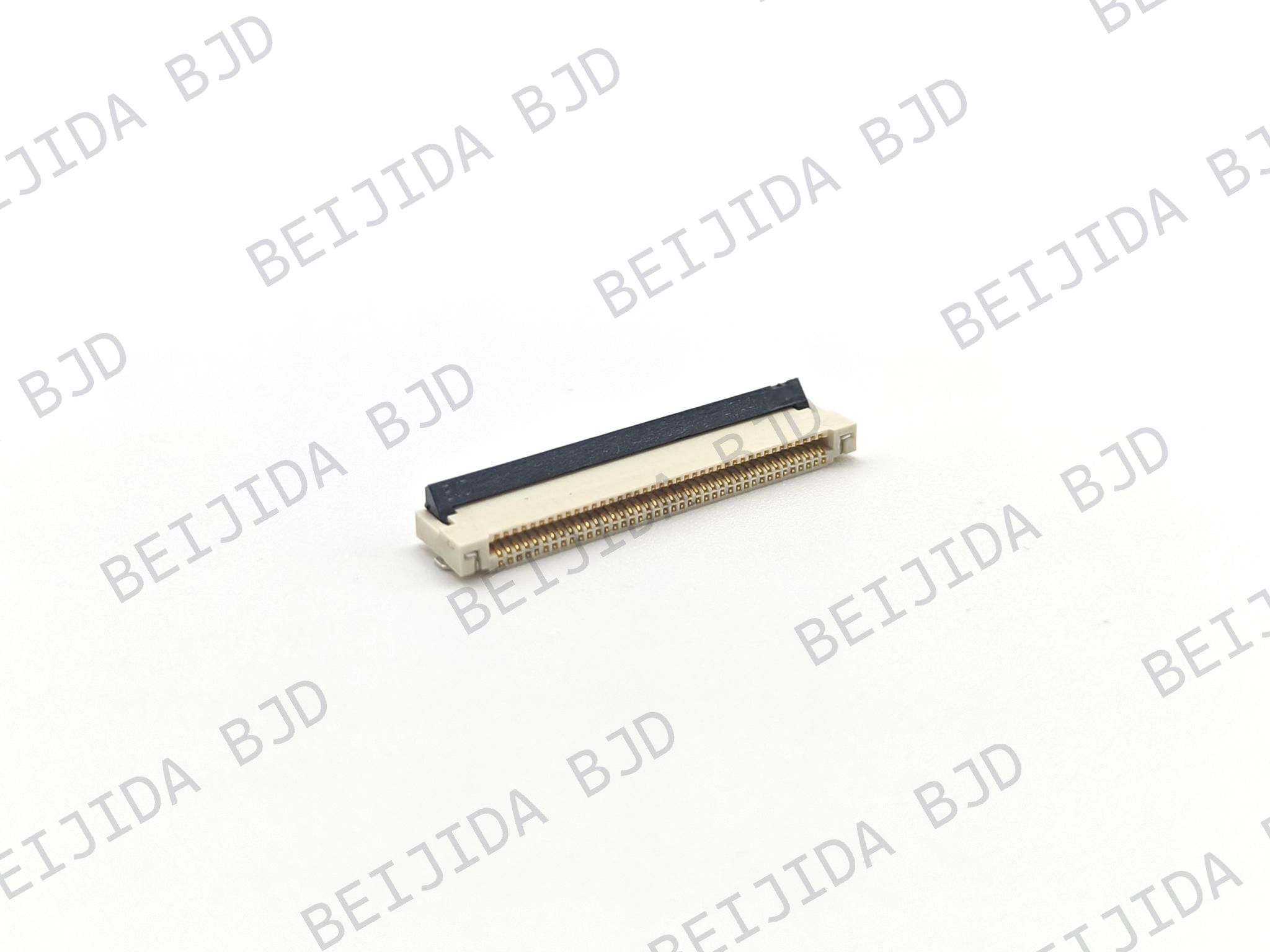
Choosing an FPC connector becomes much easier when the key requirements are clear from the beginning. Pitch, pin count, locking mechanism, insertion direction, connector height, mounting method, and applicable FPC/FFC all need to work together with your design.
Before comparing different connector options, it helps to identify the specifications that directly affect fit and assembly. Once these requirements are clear, the selection process becomes much more straightforward.
Our FPC/FFC connector range covers different pitches, position counts, and locking configurations, making it easier to narrow down a connector based on your PCB layout and FPC/FFC requirements.
The connector pitch needs to match the contact spacing of the FPC/FFC, while the pin count needs to meet the number of circuits required by your design.
Our FPC/FFC connector range includes different pitch and position configurations, allowing you to balance contact density with available board space.
The locking structure determines how the FPC/FFC is secured after insertion. Different configurations are available, including slider, front flip, rear flip, side flip, auto lock, and ZIF structures.
The best choice depends on how the FPC/FFC needs to be inserted, secured, and accessed during assembly.
Once the basic requirements are clear, pitch is one of the most important specifications to narrow down your choices.
The connector and FPC/FFC need to use the same contact spacing for a proper match. Our FPC/FFC connector range includes 0.4 mm, 0.5 mm, and 1.0 mm pitch options.
Rather than choosing a pitch based only on connector size, first confirm the FPC/FFC specification and the number of contacts required by the circuit.
A smaller pitch can help accommodate more contacts within a limited area, but it is only one part of the selection process.
The connector still needs to provide the required number of positions and fit the available PCB space. Looking at pitch, pin count, and layout together will make the selection more practical.
Pitch determines contact spacing, while the locking mechanism affects how the FPC/FFC is secured. This becomes especially important when space around the connector is limited.
Different locking structures can support different assembly arrangements. Slider, flip, auto-lock, and ZIF configurations are available within our FPC/FFC connector range.
When comparing them, consider where the actuator will sit and whether there is enough clearance for insertion and locking.
The connector should make sense not only on the PCB drawing but also during actual assembly.
Think about how the FPC/FFC will be inserted, how the locking mechanism will be operated, and whether the surrounding components leave enough working space.
It can. Even when the electrical specifications are suitable, the connector still needs to work with the physical routing of the FPC/FFC.
Our FPC/FFC connector range includes horizontal and vertical insertion configurations.
When making your choice, consider:
FPC/FFC routing
PCB orientation
Nearby components
Assembly access
Available clearance
A suitable insertion direction can make the overall PCB and cable layout much easier to manage.
After narrowing down pitch, locking structure, and insertion direction, the physical dimensions of the connector become another important consideration.
Connector height matters when the space above the PCB is limited. A connector that meets the electrical requirements may still be unsuitable if its dimensions interfere with nearby components or the enclosure.
Check the available vertical and horizontal space before making the final selection.
The mounting configuration also needs to match your PCB design and assembly process.
Our FPC/FFC connector range includes SMT mounting configurations. Before selecting the final option, confirm the mounting structure, footprint, and surrounding clearance against your PCB layout.
Once the mechanical requirements are clear, the next step is to make sure the connector meets the needs of the actual application.
Before making a final choice, confirm:
Rated current
Rated voltage
Operating temperature
Contact configuration
Applicable FPC/FFC
Mounting type
These specifications can vary between connector configurations, so always check the requirements of the specific configuration you are considering.
The application itself also influences connector selection. At BJD, we provide connector solutions for automotive electronics, industrial control, energy storage systems, commercial displays, and other applications.
You can also learn more about our connector application solutions when considering which connector structure is appropriate for your project.
The goal is not simply to find a connector that fits physically. The selected connector should also work with the electrical and environmental requirements of the application.
Once the main requirements have been identified, the selection process becomes much easier. Instead of comparing every possible configuration, you can focus on the options that meet your actual design requirements.
Before choosing the final connector, confirm:
Pitch
Pin count
Locking mechanism
FPC/FFC insertion direction
Connector height
Mounting method
Applicable FPC/FFC
Rated current and voltage
Operating temperature
Available PCB space
Checking these specifications together helps prevent common selection problems, such as choosing the correct pin count but the wrong pitch or selecting a suitable connector that does not fit the available installation space.
If you already know some of your requirements but are unsure which configuration is the best fit, we can help you narrow down the options.
At BJD, we have more than 60 product series and a team of more than 600 members supporting connector development and application requirements. We work across areas including automotive electronics, industrial control, energy storage systems, and commercial displays.
For project-specific questions, you can contact our connector team with your FPC/FFC specifications, required position count, PCB requirements, or other available design information.
Choosing an FPC connector ultimately comes down to matching the connector's mechanical and electrical specifications with the requirements of your design. By checking pitch, position count, locking mechanism, insertion direction, dimensions, mounting, and operating conditions together, you can move from a broad selection to a connector that fits your application with greater confidence.