





2026-10-26
Dual Independent Spring Arms & 150°C Heat Resistance | FPC0519A Series, Built for Harsh Environments
View More


 FPC/FFC Connector
Board to Board Connector
Wire to Board Connector
Flexible Flat Cable
RF Connector
I/O Header
Product

Automotive
Product
 141091-211260
 Consult

Flexible Flat Cable (FFC) is widely used in electronic devices where space is limited and multiple electrical connections need to be routed through a compact assembly. Choosing the right cable requires more than checking its dimensions. Conductor count, pitch, electrical ratings, bending conditions, and connector compatibility all affect whether an FFC can meet an application's requirements.
A Flexible Flat Cable is a flat electrical cable that contains multiple parallel conductors arranged in a compact structure. The conductors are typically separated and protected by insulating layers, allowing the cable to connect components without the bulk of a bundle of individual wires.
FFC is useful when an electronic design requires a thin profile, organized signal routing, and efficient use of internal space. Its suitability depends on the electrical load, mechanical layout, and operating environment.
A typical FFC consists of three main elements:
Flat conductors: Carry electrical power or signals between connected components.
Insulation layers: Separate adjacent conductors and help protect them from accidental electrical contact.
Contact ends: Provide conductive areas that interface with a compatible connector.
The flat structure makes cable routing easier in many compact assemblies. However, the cable must still match the connector's pitch, conductor count, thickness, and contact arrangement.
FFC provides an electrical path between two connection points. Each conductor carries a designated signal or power connection, while the insulation helps prevent unintended contact between neighboring conductors.
The cable is commonly inserted into a compatible FFC or FPC connector, which establishes the electrical interface with a printed circuit board (PCB) or another electronic component.
Parallel conductors help organize multiple connections within a narrow space. This can simplify internal wiring and reduce the need to route separate wires through a compact enclosure.
However, not every FFC is suitable for every signal. High-speed applications may require controlled impedance, appropriate grounding, or shielding. Current-carrying applications also need a cable with adequate electrical ratings.
FFC and Flexible Printed Circuit (FPC) are related but distinct interconnection solutions.
FFC generally uses parallel flat conductors laminated between insulating films. FPC uses a flexible printed circuit structure, with conductive patterns formed on a flexible substrate. FPC can support more customized circuit layouts, while FFC is often selected for straightforward, parallel connections.
The choice depends on circuit complexity, routing requirements, available space, electrical performance, and manufacturing needs.
FFC is suitable for many electronic systems that need compact internal connections. The final choice depends on the required conductor arrangement, cable length, operating conditions, and connector interface.
Display modules and compact consumer electronics often have limited internal space. FFC can provide an organized connection between boards, display components, and other internal modules.
For these applications, designers should confirm the required pin count, pitch, cable routing direction, and signal characteristics before selecting a cable.
Printers, scanners, and other electronic equipment may use FFC to connect internal components across a limited distance. A flat cable can help maintain an orderly assembly and fit into narrow spaces.
Where a cable moves repeatedly during operation, its construction and permitted bending conditions require particular attention. A cable intended for static installation should not automatically be assumed suitable for continuous flexing.
Selecting an FFC starts with the electrical and mechanical requirements of the application. These specifications should be checked together rather than treated as independent choices.
Pitch is the distance between adjacent conductor centers. A smaller pitch allows more connections within a given width, but it also requires closer attention to connector alignment and assembly tolerances.
Pin count determines the number of available electrical connections. Cable length, width, and thickness must also fit the equipment layout and connector design.
Before ordering, confirm:
Required pitch and conductor count
Cable length, width, and thickness
Contact orientation and insertion depth
Connector compatibility and available installation space
The cable's rated current and temperature must suit the application's actual operating conditions. Current capacity can depend on conductor dimensions, temperature rise, surrounding conditions, and the cable's construction.
For example, BJD's Flexible Flat Cable range includes a 0.5 mm-pitch FFC series with 6–96 pins, rated current of 0.5–2 A, and rated temperatures of 80°C or 105°C, depending on the applicable specification. These values apply to that series and should not be treated as universal ratings for every FFC.
For higher-temperature or high-speed applications, check the exact product specification rather than selecting a cable by pitch alone.
FFC offers routing flexibility, but its permitted bend conditions depend on the cable design. Sharp bends, repeated movement, or stress near the contact area can damage conductors or affect long-term reliability.
For signal transmission, verify whether the application requires controlled impedance, shielding, or other signal-integrity measures. The complete connection path—including the cable, connectors, PCB layout, and grounding—can affect performance.
A reliable selection process starts with the application rather than a preferred cable model. The following steps help narrow down suitable options.
Identify whether the cable carries power, control signals, or high-speed data. Establish the required current, operating temperature, conductor count, and any impedance or shielding requirements.
Check the cable dimensions, pitch, contact orientation, bending conditions, and connector interface. A cable that fits the available space may still be unsuitable if its contact arrangement does not match the connector.
Cable and connector selection should be coordinated. Confirm the connector's supported pitch, pin count, cable thickness, contact direction, and locking structure before finalizing the design.
BJD also provides flexible flat cable options and related interconnection solutions for different electronic design requirements. Our FPC/FFC connector range includes multiple pitch and configuration options. The appropriate combination depends on the cable specifications and the connector's verified compatibility.
Compare the selected product's electrical ratings, dimensions, and operating limits with the requirements of the target device. For custom or demanding applications, confirming these details before production can help reduce fit, assembly, and performance issues.
If you need assistance matching cable specifications to an application, you can contact our team with the required pitch, pin count, cable dimensions, current, temperature, and installation conditions.
Flexible Flat Cable provides a compact way to connect electronic components through parallel conductors in a flat, insulated structure. Its main advantages are space-efficient routing and an organized connection layout, but successful selection still depends on electrical ratings, mechanical conditions, signal requirements, and connector compatibility.
By defining these requirements early and checking the exact specifications of the cable and connector together, engineers can identify a suitable FFC solution for their applications. For additional technical information about flexible interconnections, explore our industry and technology articles.

2026-10-26
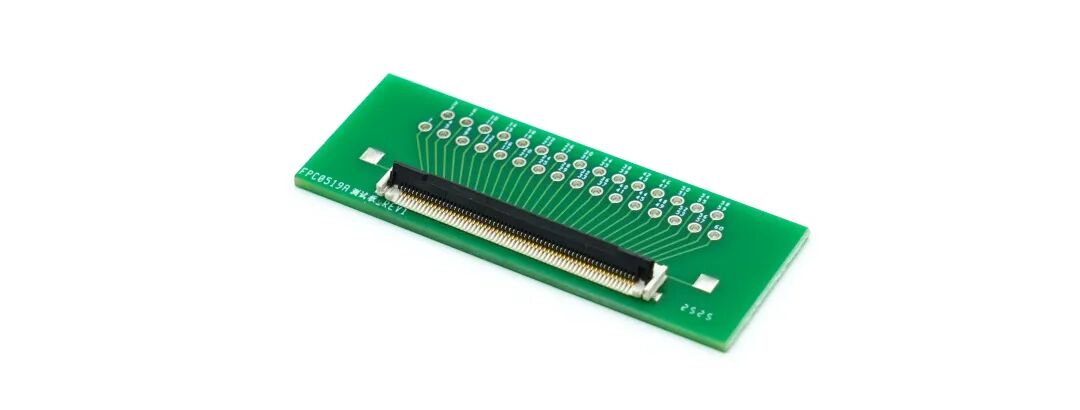
Dual Independent Spring Arms & 150°C Heat Resistance | FPC0519A Series, Built for Harsh Environments
View More
2026-10-26
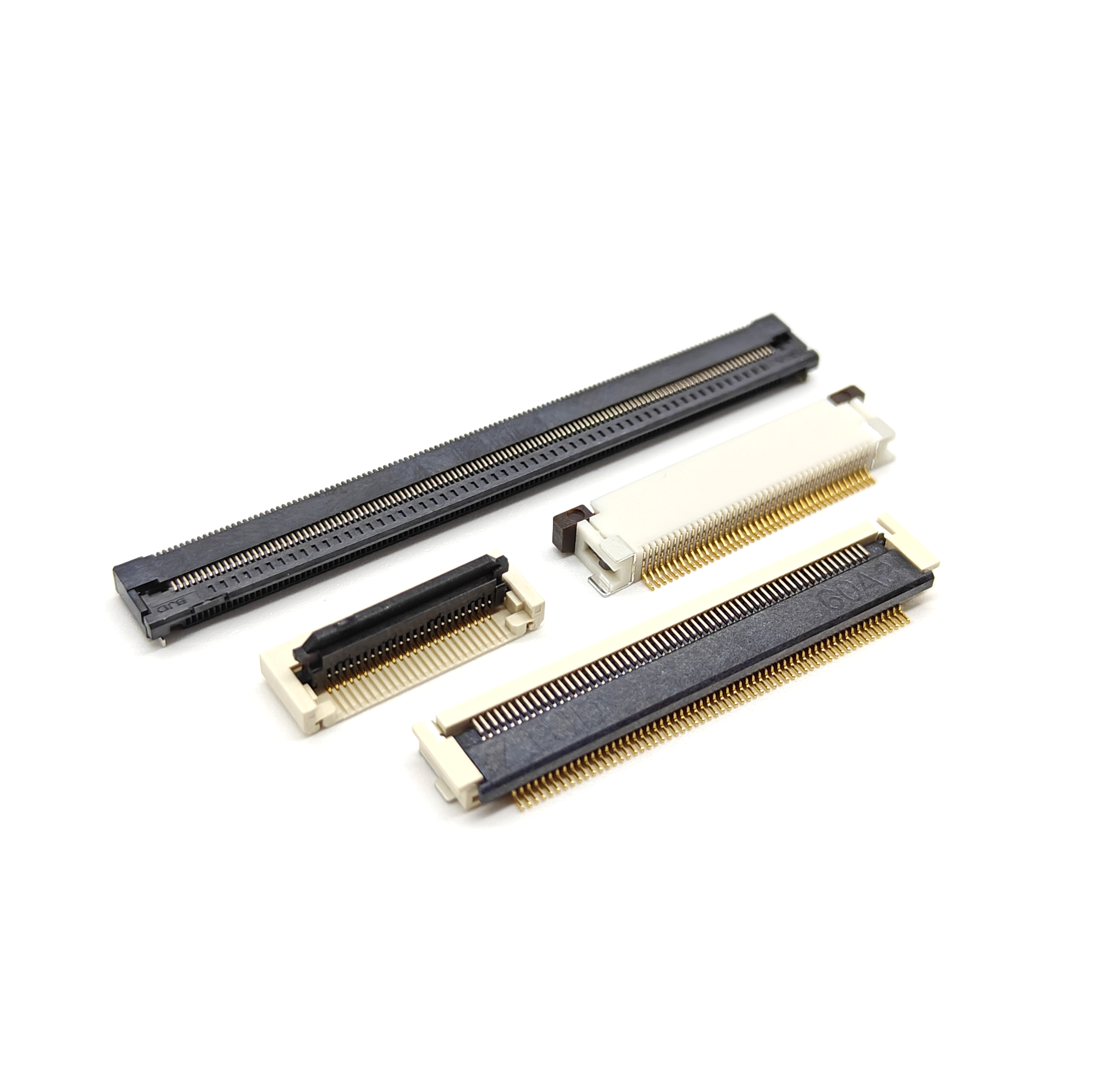
How to Choose the Right FPC/FFC Connector for Compact Electronics
View More
2026-10-24
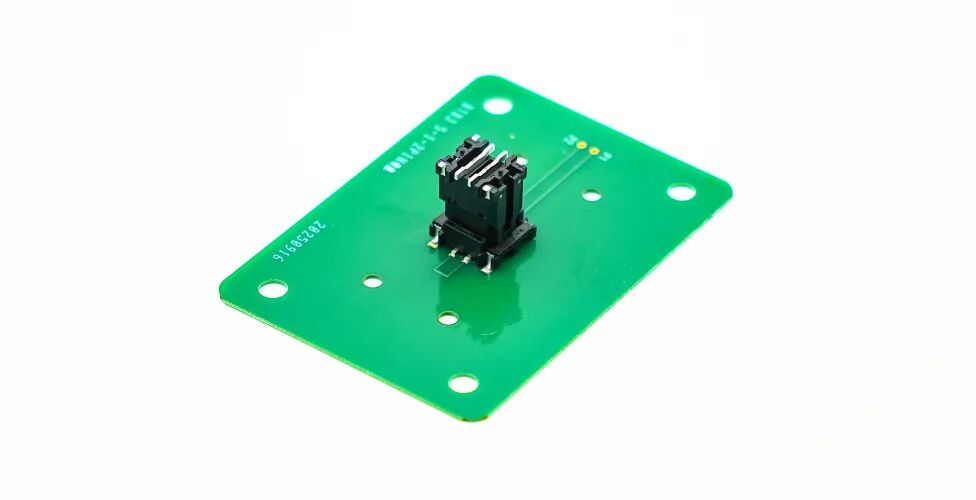
Three-Axis Floating · Four-Contact Anti-Vibration · 30A High Current | B3501 Series
View More

