





2026-11-05
Automotive Flexible Flat Cable for LiDAR Applications
View More


 FPC/FFC Connector
Board to Board Connector
Wire to Board Connector
Flexible Flat Cable
RF Connector
I/O Header
Product

Automotive
Product
 141091-211260
 Consult

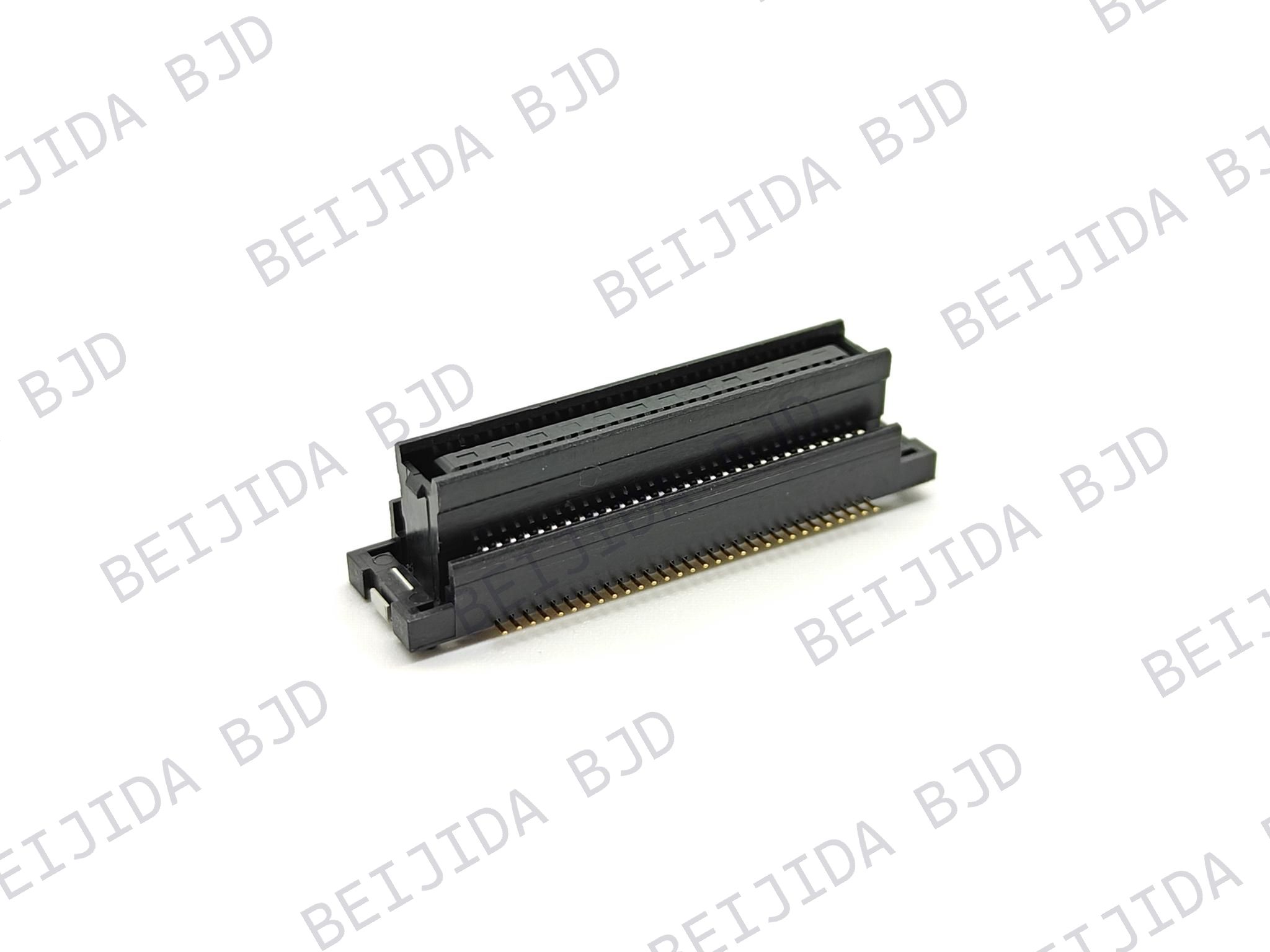
Modern electronic devices often contain multiple circuit boards that perform different functions. A single system may include separate boards for processing, display control, communication, and power management. Connecting these boards efficiently is essential to keeping the overall electronic assembly organized and functional.
This is why board to board connectors are widely used in electronic equipment. By providing direct connections between two PCBs, they support modular designs across automotive electronics, commercial displays, industrial equipment, and other applications. Understanding where these connectors are used also helps engineers identify suitable interconnection solutions for different devices.
Automotive electronics are becoming increasingly integrated. New energy vehicles, smart cockpits, and electronic control systems all contain multiple circuit boards responsible for different functions.
New energy vehicles use electronic control systems to manage battery operation, motor control, and power conversion. These systems may contain separate PCBs for monitoring, processing, and control functions.
Board to board connectors can link these circuit boards within electronic control assemblies, reducing the need for additional internal wiring. In these applications, connector stability, current capacity, and temperature resistance are important considerations because the equipment may operate under vibration and changing environmental conditions.
Modern smart cockpits integrate digital instrument clusters, infotainment systems, center displays, and cockpit domain controllers. These functions may rely on multiple electronic boards working together.
Board to board connectors can connect internal PCBs within control modules and display-related assemblies. Their mating height and contact configuration need to match the available installation space and the electrical requirements of the system.
Different connection technologies may also coexist in the same cockpit. Board to board connectors link separate PCBs directly, while FPC/FFC connectors connect components through flexible cables, such as display panels and control boards.
For more information about these application environments, explore our automotive electronics connector solutions.
Commercial display systems, including LED screens and interactive displays, often use multiple circuit boards to manage image processing, signal distribution, and display control.
A modular LED display consists of multiple display units, each containing electronic circuits for controlling LED output. Board to board connectors can be used to connect PCBs within individual display modules, helping establish direct electrical connections without additional cable routing.
The connector configuration depends on the internal structure of the display unit. Low-profile designs may be preferred where installation space is limited, while other assemblies require specific mating heights to accommodate their internal components.
OPS computers are commonly integrated into interactive displays and professional presentation screens. Their modular structure allows computing hardware to connect with a compatible display system.
Within these devices, board to board connections can support communication between internal electronic modules. The connector must match the mechanical interface and electrical requirements of the equipment to ensure proper integration.
Our commercial display connector solutions cover applications such as modular displays and OPS systems.
Industrial automation equipment uses electronic control systems to coordinate machinery, process sensor signals, and manage production operations. These systems often contain separate circuit boards for different control functions.
Programmable logic controllers (PLCs) may include processing boards, I/O boards, and communication modules. Board to board connectors can establish direct connections between these PCBs within a shared enclosure.
This arrangement helps simplify internal wiring and supports modular electronic designs. The required contact quantity, mounting structure, and operating temperature range should be considered according to the equipment's working conditions.
Robotic systems rely on controllers to process sensor information and coordinate movement. Inside a robot controller, multiple PCBs may handle motion control, communication, and other electronic functions.
Board to board connectors can connect these boards within the controller assembly. For sensors, motors, or components installed at a distance, wire-to-board or cable-based connections may be more appropriate.
Communication devices such as routers, networking equipment, and communication modules often integrate several electronic functions within a compact enclosure.
Separate PCBs may handle signal processing, network interfaces, and power management. Board to board connectors can link these boards directly, helping reduce internal cable connections and support an integrated device structure.
For high-speed communication equipment, connector selection also needs to consider signal transmission requirements. The connector and PCB layout should work together to maintain the electrical performance required by the system.
Beyond automotive, industrial, and communication equipment, board to board connectors are also used in various electronic products that require multiple PCBs within one housing.
Common examples include:
Portable electronic devices: Internal circuit boards in compact devices may need direct connections while making efficient use of limited space.
Electronic measuring instruments: Separate processing, display, and control boards can be connected within the same instrument.
Smart electronic equipment: Devices with multiple functional modules may use board to board connections to support modular internal designs.
The specific connection method depends on the device structure. Not every electronic product requires a board to board connector, but it can be a practical option when two PCBs need to be installed and connected directly.
Although board to board connectors serve a similar basic purpose, their requirements vary across applications. Engineers should consider several factors when matching a connector to an electronic system:
Installation space: The available PCB spacing and required stacking height influence connector selection.
Contact configuration: Different boards require different numbers of signal and power contacts.
Electrical requirements: Current capacity, rated voltage, and signal transmission needs should match the circuit design.
Mechanical conditions: Vibration, temperature changes, and PCB alignment can affect connection stability.
Assembly requirements: Connector orientation and mounting method should be compatible with the manufacturing process.
Considering these factors alongside the actual device architecture helps avoid selecting a connector based only on its physical dimensions.
Different applications require different board-to-board connection configurations. Factors such as PCB layout, mounting space, pin count, connection height, and operating conditions all influence the choice of connector.
At BJD, we offer board-to-board connector solutions with different pitches, contact configurations, and structural designs to support a range of electronic applications. You can explore our board to board connector product range to learn more about the available options.
If you are developing a new electronic device or looking for a suitable connector for an existing PCB design, our team can help you evaluate the relevant specifications and identify a suitable solution. Contact BJD to discuss your application requirements, request product information, or get support for your connector selection.
Board-to-board connectors play an important role in connecting multiple PCBs in automotive electronics, commercial displays, industrial automation, communication equipment, and other electronic devices. Selecting the right connector requires considering not only the electrical requirements but also the available space, mechanical structure, and operating environment.
If you are looking for a board-to-board connector for your project, contact BJD with your application details and design requirements. Our team is ready to help you find a suitable connection solution.